September 16, 2025
From Pony Express to Port Express: Why First-Mile Drayage Continues to Determine Supply Chain Success
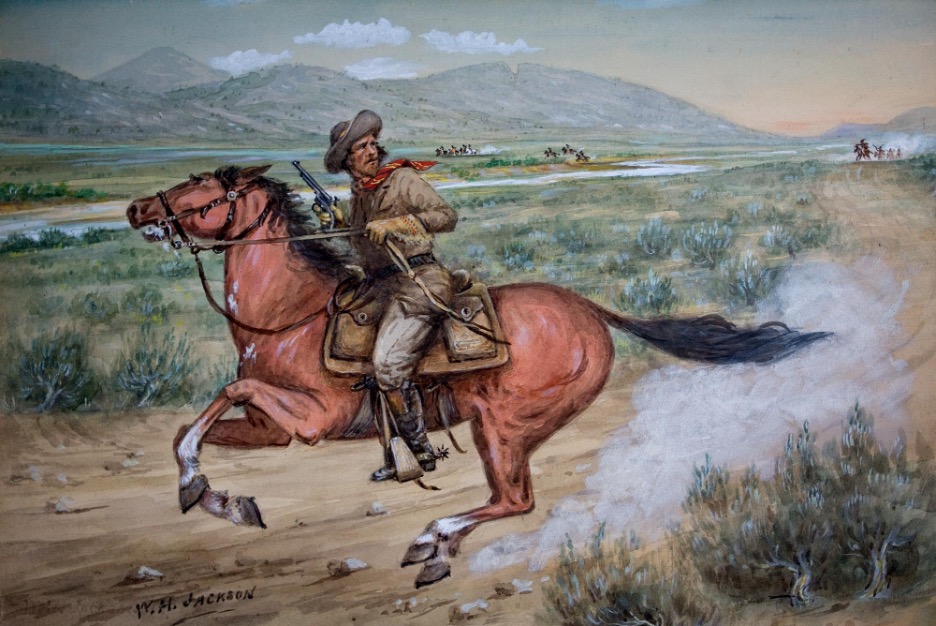
Picture this: It’s 1860, and a lone rider thunders across the Nevada desert, saddlebags heavy with precious mail. His horse’s hooves pound against the hardpan as he races toward a distant relay station, where another rider waits with a fresh mount. In precisely ten minutes, that handoff must happen flawlessly – no delays, no fumbled transfers, no excuses. The entire 2,000-mile journey from Missouri to California depends on this single, small exchange going perfectly.
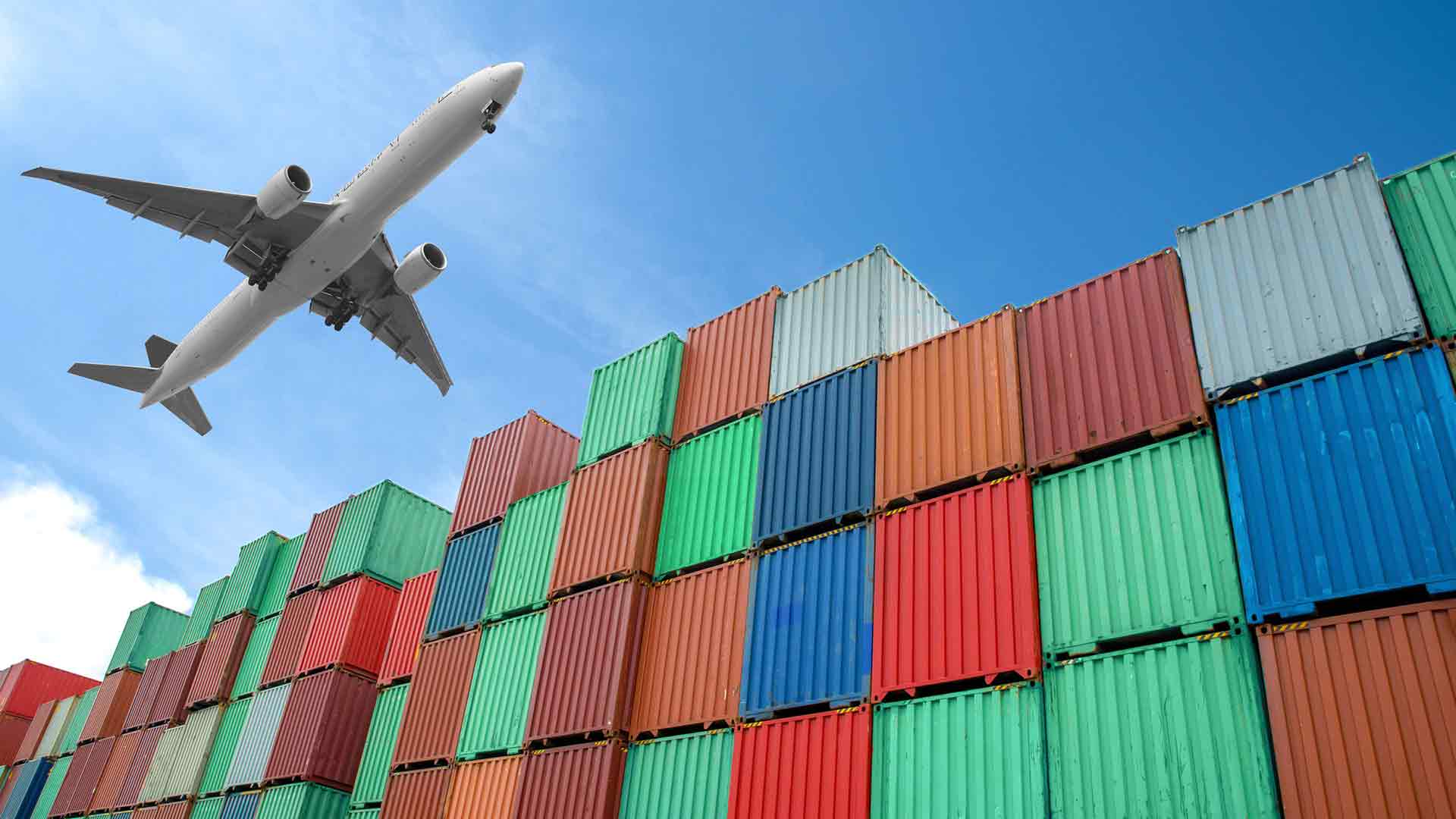
Today, while the horses have been replaced by trucks and the frontier has given way to massive port terminals, that same critical handoff moment still determines the success or failure of supply chains worldwide. Welcome to the modern world of drayage – where the shortest leg of your freight journey often has the longest impact on your bottom line.
The Pony Express: A Stroke of Genius in Precision Logistics
The Pony Express operated for just 18 months, but its legend endures because it solved an impossible problem through careful planning and flawless execution. Before the transcontinental telegraph, it took weeks to send a message from the East Coast to California by ship or stagecoach. The Express cut that time to an astounding 10 days by breaking the massive distance into manageable segments.
The genius wasn’t in the speed of individual horses or the bravery of riders – though both were remarkable. The real innovation was in the system of relay stations positioned every 10-15 miles along the frontier. At each station, riders had mere minutes to transfer their cargo to fresh horses and new riders. These handoffs depended on precise timing, dependable infrastructure, and contingency plans for every possible delay.
When everything went smoothly, mail traveled across the continent faster than anyone thought possible. But when a single relay station failed – when weather slowed down a rider or a horse broke down – the entire system felt the impact. The Express demonstrated a truth that still guides logistics today: the strength of your supply chain depends on its weakest link.
From Frontier Stations to Port Terminals
Fast-forward to today’s ports, and the principle remains the same. Your goods might have traveled smoothly across oceans, cleared customs easily, and arrived right on time. But if drayage – that essential first-mile haul from port to warehouse – breaks down, the rest of your supply chain comes to a halt.
Modern drayage faces challenges that would make Pony Express riders pale. Congestion turns quick pickups into day-long ordeals. Truck turn times can stretch from 30 minutes to three hours. Labor shortages, environmental regulations, and chassis constraints keep piling up, and each delay sends ripples outward like dominoes.
Consider the holiday peak, when every day counts. A container that sits an extra 48 hours waiting for drayage pickup doesn’t just delay that one shipment – it ties up equipment, uses up port space, and causes other freight to be delayed as well. Just as in 1860, the handoff isn’t a minor detail. It’s the whole ballgame.
Planning the First Mile Like It Matters
The operators of the Pony Express understood that success depended on foresight. They kept extra horses ready and trained riders for accuracy rather than just speed. Stations were staffed even during slow periods, because reliability mattered more than efficiency on paper. That same mindset guides today’s most effective logistics operations. Companies that consider drayage mission-critical have built systems designed for reliability even under pressure.
Smart operators design their systems around the same principles that made the Express legendary: advocating for solutions when bottlenecks threaten business continuity, providing transparency about real port conditions so clients can plan with accurate information, and maintaining flexibility in capacity because peak demand doesn’t wait for perfect conditions.
At The Block Logistics, we understand the consequences of the first mile failing – and we’ve structured our approach to prevent these failures whenever possible. Last peak season, when seasonal congestion caused containers to be stranded at port just days before a client’s critical product launch, we didn’t just wait it out. Our direct drayage network enabled us to reroute around the bottleneck and move their freight within hours. The launch stayed on schedule because we had alternatives ready when the standard method faced obstacles.
This isn’t about throwing more trucks at problems. It’s about anticipating the handoff, maintaining momentum, and keeping supply chains resilient – the same values that guided riders racing across the frontier 160 years ago.
The Handoff That Makes or Breaks Everything
The Pony Express proved that reliability on the smallest leg determines the outcome of the whole journey. Today’s ports prove the same thing every day.
Your freight might travel over 8,000 miles without any problems, only to sit still for days at the terminal, waiting for a drayage slot. That initial 50-mile inland trip becomes the most expensive delay in your supply chain.
That’s the paradox of drayage: it appears to be the smallest detail, yet it often turns out to be one of the most crucial links in keeping goods moving. When it fails, the entire system stalls. When it’s strong, it’s the difference between starting the race at full speed or tripping out of the gate.
The frontier riders understood that their ten-mile sprint was as important as the thousand miles that followed. Modern logistics leaders recognize the same about drayage. It’s never ‘just the first mile.’ It’s the key factor that decides whether everything else arrives on time or falls behind.
As we head into peak season, when each day matters and delays multiply quickly, companies that view drayage as a strategic advantage will be best positioned for success.
The Pony Express lasted less than two years, but its lessons remain: speed is useless without reliability, foresight outperforms reaction, and even the shortest leg can shape the biggest outcome.
Welcome to Logistics Unusual.